Comparing hotel textiles: sizes, fabric weight and product codes
Two similar towels or duvet covers may have different specifications. A practical checklist for comparing textile quotations.
Record the size alongside the product name
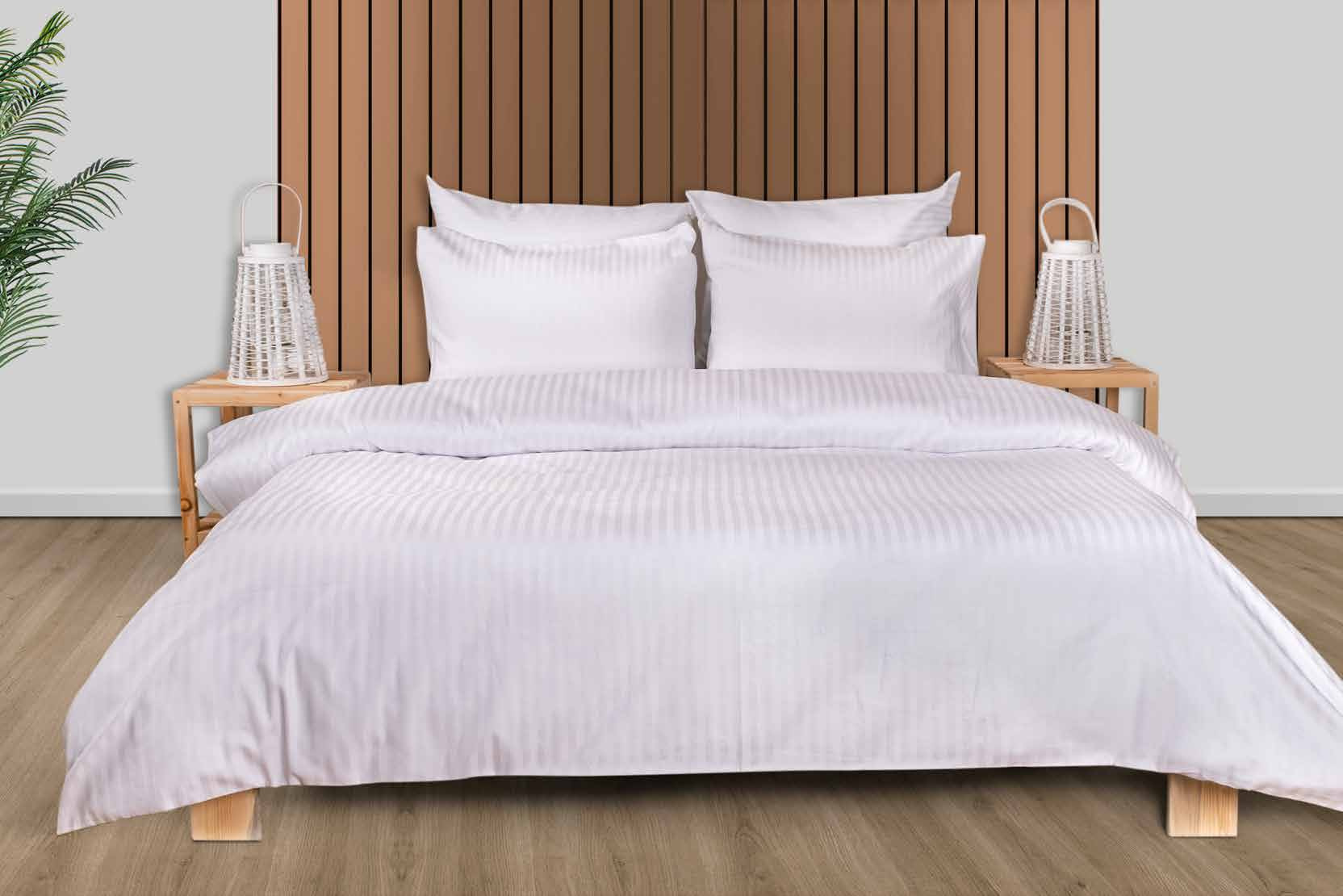
Labels such as “double” or “large towel” are not enough on their own. Record sheets, duvet covers and pillowcases separately, starting with the dimensions of your mattresses, duvets and pillows. For a set, specify how many sheets, covers and pillowcases it contains. This avoids comparing a unit price with a set price by mistake.
Distinguish g/m² from grams per item
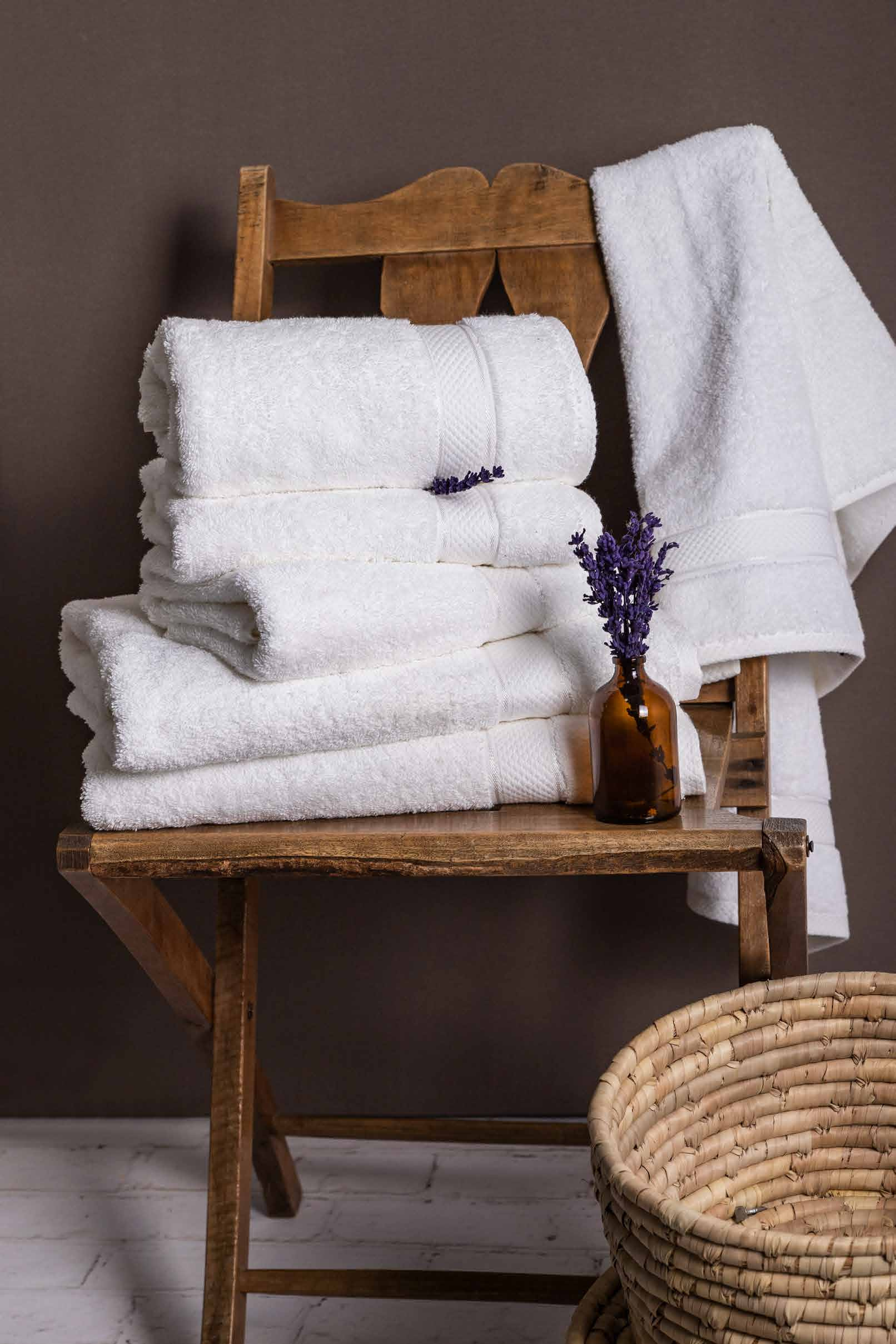
Fabric weight may be stated in g/m², while the total weight of an item may be given in grams per piece. Keep these fields separate. For example, TÜRKAZ catalogue towel TK-KG-003 is listed as 70×140 cm and 450 g/m². When comparing another towel of the same size, consider fibre composition, yarn and construction on the same line rather than relying on one number.
Review samples against your operation
Do not complete a textile selection from photographs alone. Review the sample for feel, appearance, dimensions and your operation’s care process. Request the product’s washing instructions and discuss them with your laundry team or service provider. Clarify unspecified features during quotation instead of assuming them. Keep the same product code and sample reference for repeat orders.
Build the quotation by size
Select each size and technical variant by its product code. Set quantities based on rooms, existing stock and planned reserve needs. Mention logo or embroidery requirements, placement and artwork in your notes. Include the delivery city, desired date and packaging expectations in the same request. Clear line items make the final quotation easier to assess.